Introduction-Pay Now vs Pay Later: Understanding the Principle with Real Examples
Pay now vs pay later is a powerful principle that explains how financial discipline and decision-making impact long-term success. Choosing disciplined actions today can significantly reduce future financial, health and career risks.
At its core, the “pay now vs pay later” principle reflects a fundamental choice:
- Accept short-term discipline to secure long-term benefits
- Or avoid effort today and face greater consequences later
This concept is closely aligned with delayed gratification, a behavioral principle widely linked to long-term success in both financial and personal domains.
Understanding the Pay Now vs Pay Later Principle
The distinction is straightforward:
- Pay Now: Making disciplined decisions today—saving, investing, learning, and maintaining healthy habits
- Pay Later: Delaying effort, leading to higher financial, physical, or professional costs in the future
In practical terms, every financial decision carries a cost. The only variable is timing.
Case Study 1: Early Investing and the Power of Compounding
Consider two individuals with identical investment behavior but different starting points.
Scenario Comparison
Investor A:
- Invests ₹5,000 monthly starting at age 25
- Average return: 12% annually
- Investment duration: 35 years
- Final corpus: approximately ₹3.2 crore
Investor B:
- Invests ₹5,000 monthly starting at age 35
- Same return: 12% annually
- Investment duration: 25 years
- Final corpus: approximately ₹98 lakh
Key Insight
A delay of just 10 years results in a wealth gap exceeding three times.
This demonstrates the exponential impact of compounding. Time is not just a factor—it is the most critical driver of wealth creation. Delaying investment significantly reduces long-term financial outcomes.
Inflation: The Silent Cost of Delay
Inflation plays a crucial role in the “pay now vs pay later” equation.
Historical Context
In India, inflation has averaged 5–7% annually over the long term.
Impact Example
- ₹1,00,000 today may lose nearly 50% of its purchasing power within 10–12 years
Implication
Choosing not to invest is not a neutral decision—it results in a real loss of value.
Disciplined investors aim to generate returns that exceed inflation, thereby preserving and growing purchasing power over time.
Case Study 2: The Cost of Debt and Delayed Payments
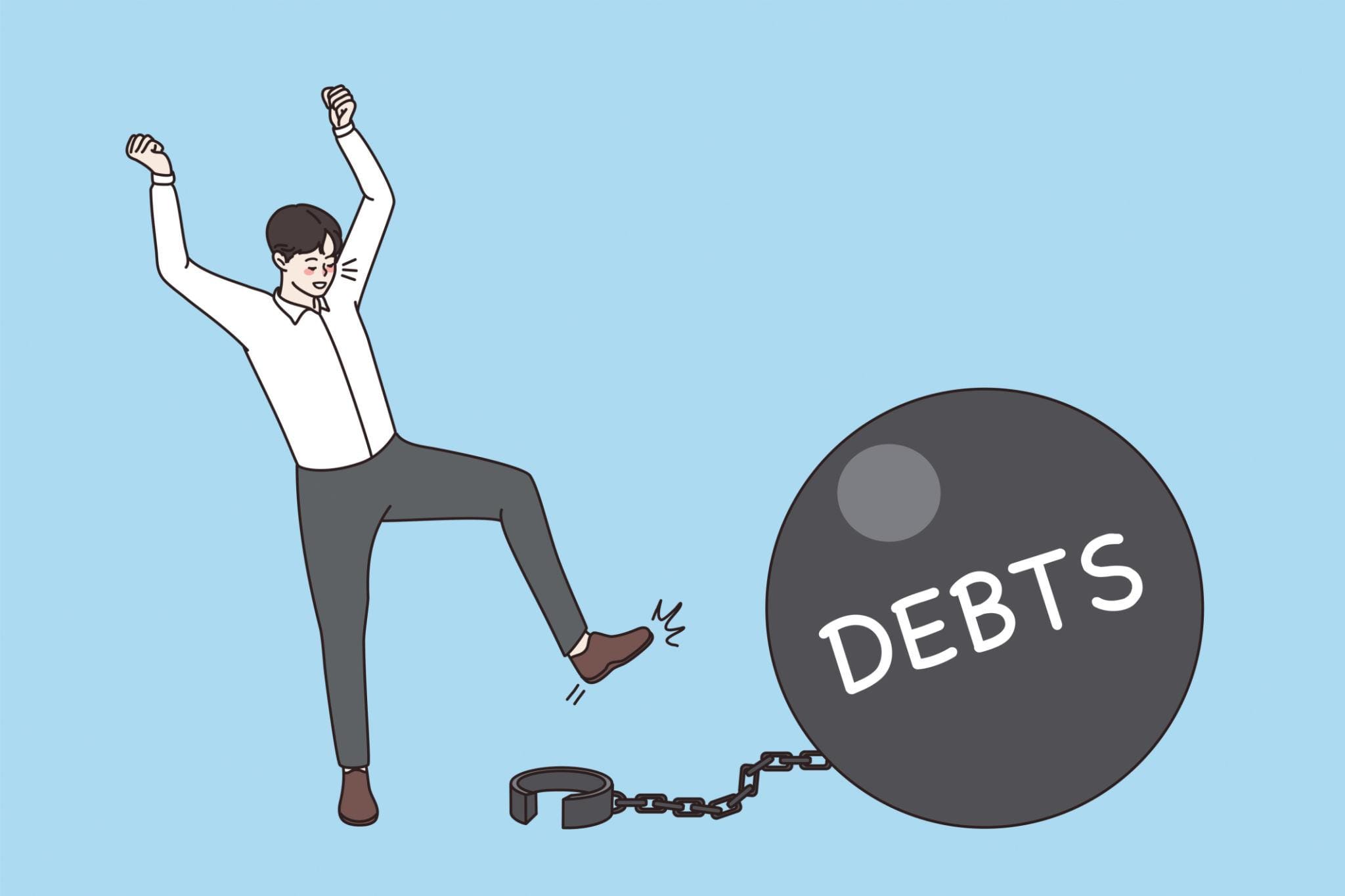
Debt is one of the most visible examples of the “pay later” mindset.
Scenario
- Credit card spending: ₹1,00,000
- Interest rate: ~36% annually
If unpaid for three years, the total liability can exceed ₹2,50,000.
Key Insight
Compounding works in both directions. While it builds wealth when investing, it accelerates liabilities when debt is ignored.
The rise of consumer credit and “buy now, pay later” schemes has made spending easier—but often at the cost of long-term financial stability.
Case Study 3: Health and Lifestyle Decisions
The “pay now vs pay later” principle extends beyond finance into health.
Current Trends
India is witnessing a significant rise in lifestyle-related diseases, with over 100 million individuals affected by diabetes.
Common Patterns
- Lack of physical activity
- Poor dietary habits
- High stress levels
- Neglect of preventive care
Long-Term Consequences
- Increased medical expenses
- Reduced productivity
- Lower quality of life
Key Insight
Avoiding small, consistent efforts—such as exercise and balanced nutrition—leads to significantly higher costs in the future, both financially and physically.
Case Study 4: Career Growth and Skill Development
Professional success also reflects the same principle.
Individual Comparison
Individual A:
- Invests early in skill development
- Builds expertise gradually
- Adapts to industry changes
Individual B:
- Delays learning
- Relies on short-term solutions
- Starts skill development later
Outcome
Individual A is more likely to achieve career stability, higher income, and long-term growth, while Individual B may face limited opportunities.
Key Insight
Skills compound over time, just like investments. Early effort leads to sustained advantage.
The Common Pattern Across All Areas
Across finance, health, and career, the pattern remains consistent:
- Financial discipline leads to wealth; delay leads to debt
- Preventive health habits lead to well-being; neglect leads to illness
- Continuous learning leads to growth; postponement leads to stagnation
The principle is universal: short-term discipline reduces long-term cost.
Why People Choose to Delay
Despite understanding the benefits, many individuals default to a “pay later” approach due to behavioral tendencies:
- Preference for immediate comfort
- Underestimation of future consequences
- Discomfort associated with discipline
Behavioral research suggests that humans are naturally inclined toward instant gratification, often at the expense of long-term outcomes.
How to Apply the Pay Now Approach
Shifting toward a disciplined approach does not require drastic changes. It requires structured habits.
1. Start with Small, Consistent Actions
Even modest steps—such as saving a fixed percentage of income—can create significant impact over time.
2. Automate Financial Decisions
Automating savings and investments reduces reliance on willpower and ensures consistency.
3. Think in Long-Term Horizons
Before making decisions, evaluate their impact over the next 5–10 years. This perspective clarifies the real cost of delay.
4. Build Systems, Not Motivation
Motivation is temporary, but systems create sustainable discipline. Establish routines that make positive actions automatic.
Key Takeaway
Every decision carries a cost. Delaying effort does not eliminate that cost—it increases it.
The choice is not between paying and not paying. It is between:
- Paying a smaller cost today
- Or a significantly larger cost in the future
Conclusion
The difference between financial stability and financial stress, health and illness, or growth and stagnation often comes down to a single decision:
whether to act now or delay action.
Individuals who consistently choose discipline, responsibility, and long-term thinking are more likely to achieve:
- Financial security
- Personal well-being
- Professional growth
Ultimately, the “pay now vs pay later” principle is not about sacrifice—it is about timing your decisions wisely.
Disclaimer
This content is for educational purposes only and does not constitute financial advice.





















Post Comment